Whether you are launching a new product, filming high-impact corporate training materials, or producing a creative music video, taking your project into a professional video production studio is a game-changer. It gives you access to a controlled environment and high-end equipment built specifically for polished content creation.
However, a successful shoot doesn’t start when the cameras roll—it begins weeks prior. To get the absolute most out of your studio investment, you need a solid plan.
Here is a comprehensive guide on how to prepare for your project and what to look for when selecting a video production studio.
Part 1: Defining Your Project Requirements
Before you start reaching out to studios, you must have a clear sense of your project’s scope and objectives. Clarifying these details early will save you a massive amount of time, money, and creative friction down the road.
Ask yourself and your team these foundational questions:
- Equipment: What level of equipment does your vision require? Are you looking for standard high-definition capture, or do you need multi-camera 4K setups, cinema-grade lenses, specialized motorized dollies, or broadcast-quality audio capture?
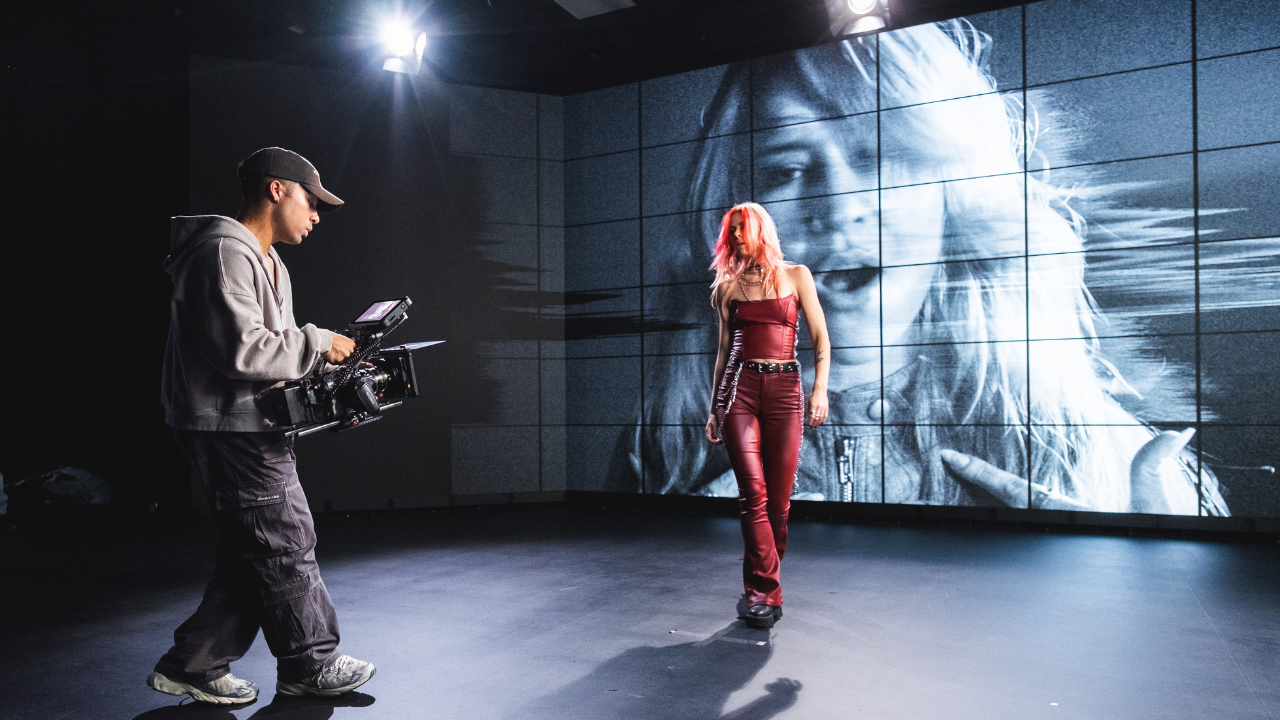
- Scope & Technology: Is your project tech-intensive? Will you require virtual environment technology—such as an immersive LED wall or advanced green-screen keying—to place your talent in a customized virtual space?
- Length & Timeline: How long is the final video, and realistically, how long will it take to capture? Remember to account for setup, lighting adjustments, talent hair/makeup, run-throughs, and teardown. A 5-minute final video could easily require a full day of studio time.
- Talent & Crew: Who is going in front of and behind the camera? Do you have an in-house crew of experienced operators, or will you need to leverage the studio’s technical staff? Defining these roles early ensures you aren’t paying for overlapping personnel or scrambling for a technical director on shoot day.
All of these factors will directly dictate which studio space can best accommodate your production needs.
Part 2: Evaluating a Studio’s Capabilities
Once your requirements are set, it’s time to shop around. Not all studios are created equal. To ensure your project goes off without a hitch, evaluate potential partners across these five critical pillars:
1. Equipment & Technology
A budget-friendly photography room with a basic backdrop and two simple LED lights might work for a quick social media headshot, but forcing a complex video project into a restricted space often leads to creative compromises. You may find yourself renting expensive add-on equipment, wasting hours on troubleshooting, or spending double in post-production to fix poor lighting and audio.
Investing in a studio equipped with top-tier, modern AVL technology is always worth the spend. Your end product will only be as good as the technology used to produce it.
2. Physical Space & Amenities
A great studio needs to be highly functional. Ensure the physical dimensions can easily accommodate your set designs, prop storage, and movement.
- The Studio Floor: Is there enough physical depth for wide-angle shots and seamless camera tracking? Is the room acoustically treated to block outside traffic or building noise?
- Amenities: Look for “comfort spaces.” A professional studio should offer green rooms for talent, dedicated hair and makeup stations, staging areas for props, and production desks or a control room for your creative directors to monitor the feed in real-time.
3. Personnel & Onsite Expertise
While bringing your own creative crew is common, having onsite technicians who know the room inside and out is invaluable.
When evaluating a studio, ask about the availability of their staff. Having an onsite video engineer, lighting director, or project manager who knows exactly how to calibrate the screens, adjust the overhead rigs, or keep the production timeline and crew on track will save you hours of setup time.
Look for studios that can provide experienced technical and creative staff to support your team and ensure every hour on set is used as productively as possible. Ultimately, the sweet spot is a collaborative blend: pairing your team’s creative directors with the studio’s specialized onsite crew. This synergy ensures you maintain complete creative control while leveraging local experts who know exactly how to optimize the equipment—making the absolute best use of your clock time and talent budget once you are on the clock.
4. Cost, Flex-Packaging, & Budget Factors
Premium equipment and highly skilled crews command a higher price tag—but that investment pays off in polish and efficiency. To keep your budget favorable, look for studios that offer “buffet-style” or a la carte pricing models.
A modular service menu allows you to pay only for what you actually need. If you have your own cameras and editors but need their studio space, lighting, and an LED wall, you should be able to book exactly those components.
Key factors that affect studio costs include:
- Booking Duration: Is it half-day, full-day, or multi-day?
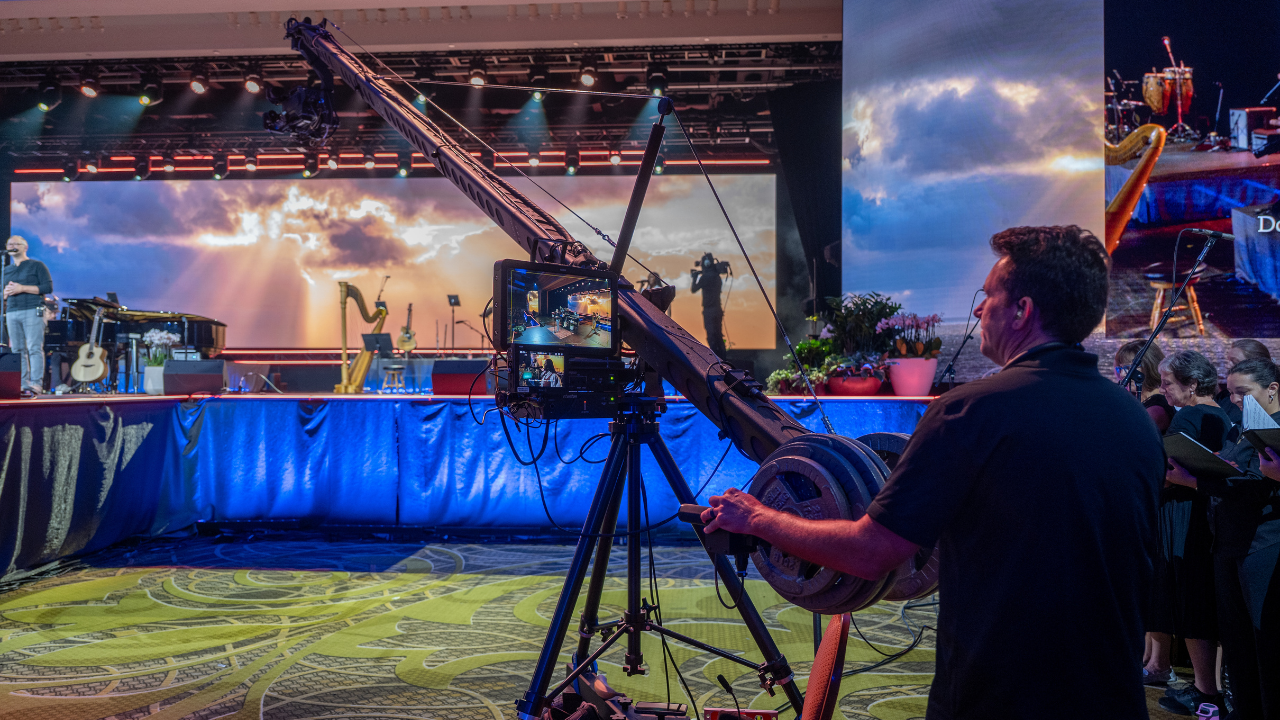
- Specialty Equipment: Adding high-end technology like virtual production LED volumes or specialized camera jibs
- At CTS, our studio is backed directly by our full-scale AVL live production house. This means you have instant, down-the-hall access to a massive warehouse inventory of backup cameras, lenses, lighting, and specialized rigging should your project scope change or expand last minute.
- Post-Production: Keeping editing, color-grading, and sound design in-house with the studio team versus taking raw files to your own editors
- Pre-Production Prep: Does the studio charge a lower “load-in/setup” rate for the day before the shoot?
- To keep your production day running at maximum efficiency, look for studios like CTS that offer half-rates on setup days, allowing you to build sets, run technical rehearsals, and pre-light without burning through your core production budget.
5. Content Capabilities & Virtual Environments
The physical backdrop of your studio plays a massive role in your project’s visual potential.
Traditional green screens are highly functional, but modern virtual production has completely shifted the landscape. For example, an LED wall provides an interactive, photorealistic portal to virtually anywhere in the world. You can project a bustling city street, a pristine desert, or a customized corporate background in real-time. This not only creates natural, beautiful reflections on your talent and props, but it also completely eliminates the time, travel costs, and logistical headaches of shooting on location.
Conclusion: Ready to Move the Room?
Planning your studio shoot carefully is the single best way to ensure an efficient, stress-free day of production and an outstanding end product. By clarifying your project requirements, choosing a studio with flexible pricing, and leveraging modern AVL technology, you set your creative team up for absolute success.
At CTS, we make it easy to bring your vision to life on your own terms. Our state-of-the-art video production studio is built around customizable, a la carte packages, advanced virtual production LED capabilities, and a highly skilled technical crew ready to support you from pre-production through final cut.
Contact the CTS team today to schedule a tour of our studio space and explore how we can support your production.